
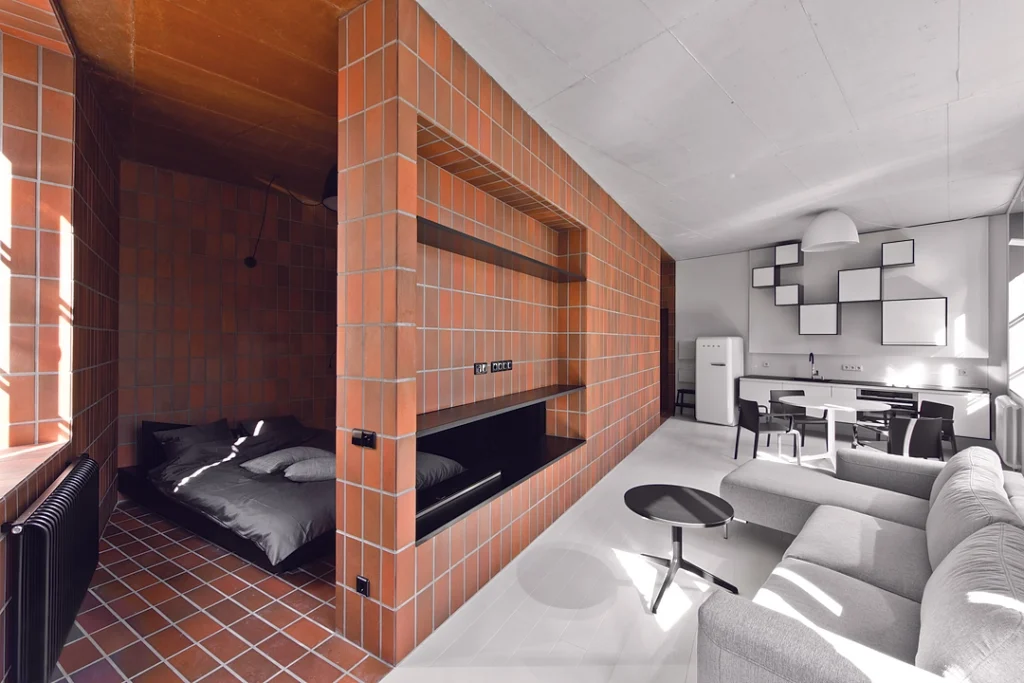
Choosing tiles for a home may seem simple at first, but once you begin exploring options, the variety can quickly become overwhelming. Among the most common choices homeowners consider today are ceramic and vitrified tiles. Both are widely used in modern interiors, and each offers its own advantages depending on where and how they are used.
Flooring plays a major role in shaping the character of a home. It affects how spacious a room appears, how light reflects through the interior, and how comfortable the space feels for everyday living. Because tiles remain in place for many years, selecting the right material becomes an important long term decision.
When comparing ceramic vs vitrified tiles, it helps to understand how they are made, how durable they are, and which areas of the home they perform best in. With the right knowledge, homeowners can choose surfaces that balance beauty, practicality, and long lasting performance.
What are ceramic tiles
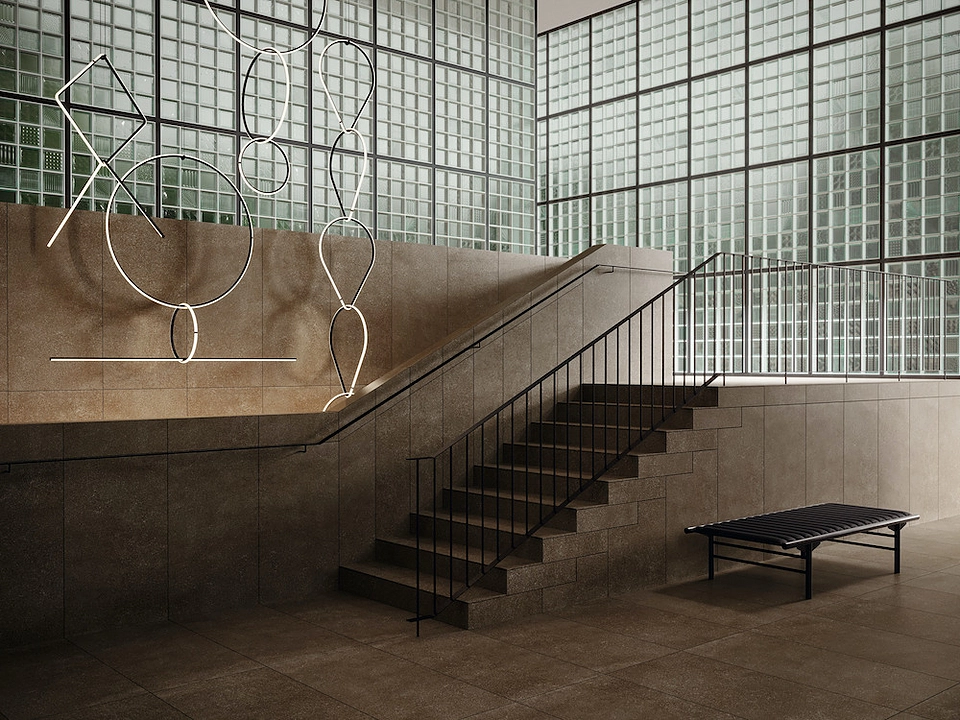
Ceramic tiles are made from natural clay that is shaped and fired at high temperatures. During the manufacturing process, the tiles are often coated with a protective glaze that gives them their color, texture, and finish. According to the Tile Council of North America, ceramic tiles are widely used for interior flooring and wall applications because of their versatility and affordability.
Because of their versatility, ceramic tiles are widely used for interior walls and floors. They are available in a wide variety of patterns, colours, and textures, allowing homeowners to explore many different design styles.
Ceramic tiles are especially popular in kitchens, bathrooms, and living areas where easy cleaning and moisture resistance are important. Their glazed surface makes them simple to maintain while still offering attractive design options.
Homeowners looking for refined tile collections can explore curated surfaces through DeCeramica’s tile range here
https://deceramica.in/tiles/
What are vitrified tiles
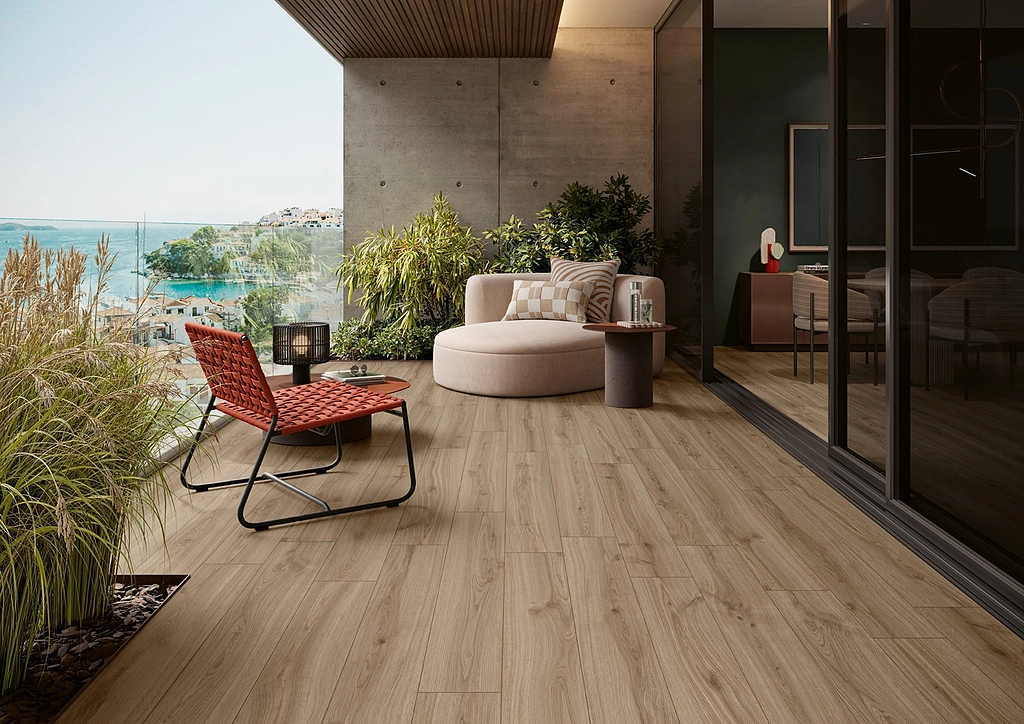
Vitrified tiles are manufactured using a mixture of clay, silica, and other minerals that are fused together at extremely high temperatures. This process creates a dense and non porous tile surface. To understand more about the vitrified tile manufacturing process, you can explore insights shared by the ceramic industry platform https://www.ceramicworldweb.com
Because vitrified tiles absorb very little water, they are highly durable and resistant to stains. This makes them particularly suitable for flooring areas that experience heavy foot traffic.
Another advantage of vitrified tiles is their strength. The manufacturing process makes them harder and more compact compared to standard ceramic tiles.
Many modern homes use vitrified tiles for living rooms, hallways, and open spaces where durability and long lasting performance are essential.
Key differences between ceramic and vitrified tiles
When comparing ceramic vs vitrified tiles, the most noticeable differences relate to strength, water absorption, and ideal usage areas.
Ceramic tiles are generally lighter and easier to cut during installation. They work well for walls and moderate use areas inside the home.
Vitrified tiles are denser and stronger. Because of their low porosity, they are better suited for high traffic flooring areas where durability matters more.
Ceramic tiles often offer a wider variety of decorative designs, while vitrified tiles are known for their uniform surface and strong structural properties.
Understanding these differences helps homeowners decide which material works best for each space in the house.
Where ceramic tiles work best
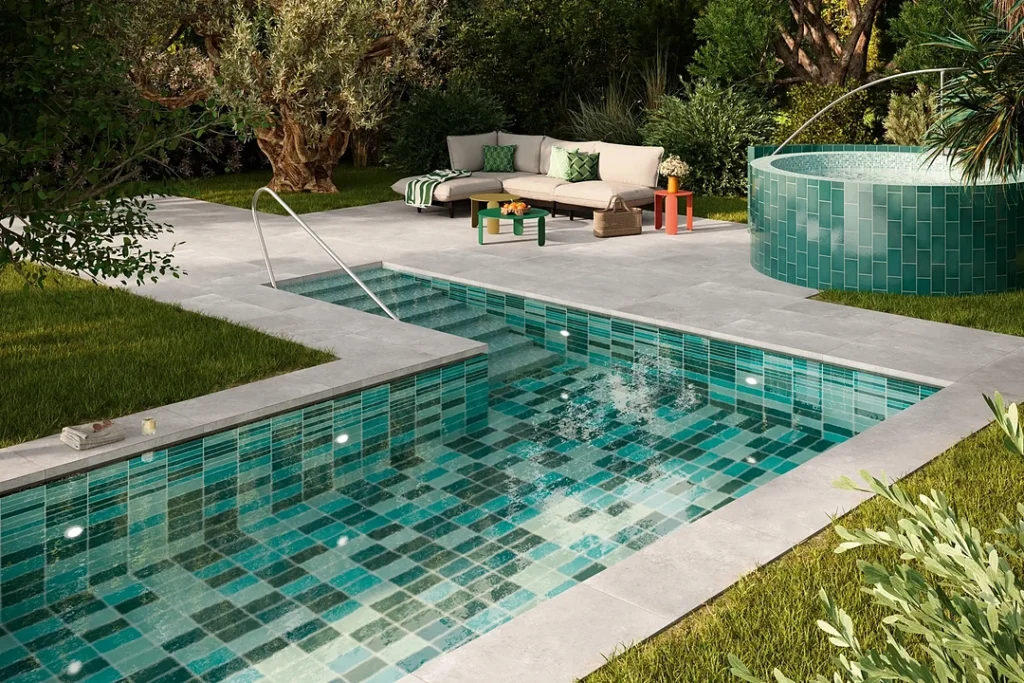
Ceramic tiles are an excellent choice for interior walls and lighter use flooring areas.
Bathrooms and kitchens commonly use ceramic wall tiles because the glazed surface resists moisture and stains. They are also easier to cut and install, which allows for more intricate layouts.
Ceramic tiles are also used for decorative walls, kitchen backsplashes, and certain living room designs where visual appeal is more important than heavy durability.
Their design flexibility makes them ideal for homeowners who want to experiment with colours, textures, or patterned surfaces.
Where vitrified tiles perform better
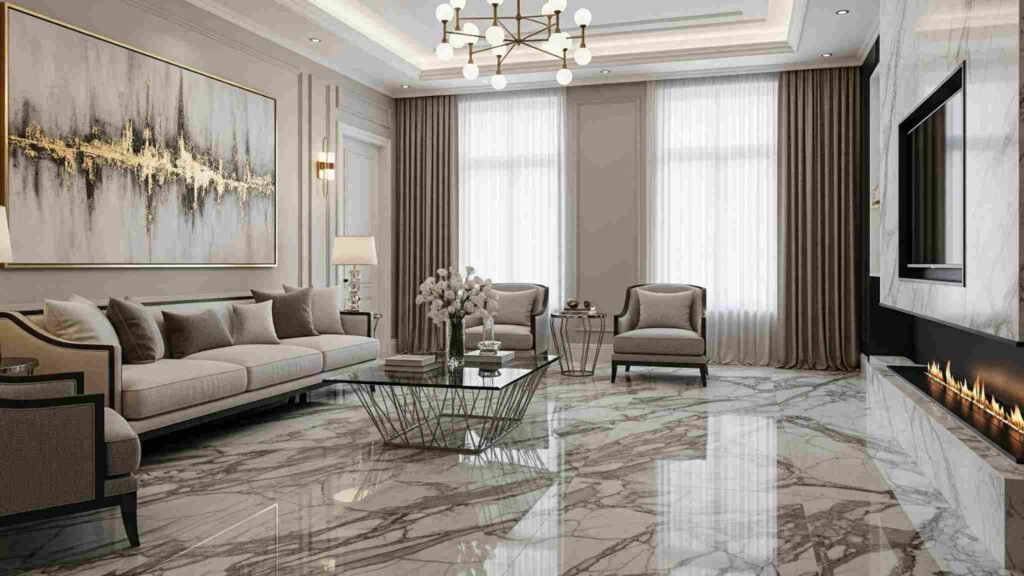
Vitrified tiles are often recommended for flooring in areas where strength and durability are important.
Living rooms, corridors, and open plan spaces typically experience constant movement throughout the day. Because vitrified tiles are denser, they can handle this foot traffic without wearing down easily.
Their low water absorption also makes them suitable for areas where spills or moisture may occur.
Large format vitrified tiles are especially popular in modern homes because they create seamless floors with fewer grout lines. This helps rooms appear more spacious and visually balanced.
Many homeowners planning contemporary interiors explore durable tile surfaces through DeCeramica’s curated collections
https://deceramica.in/
Maintenance and durability comparison
Both ceramic and vitrified tiles are relatively easy to maintain when compared to natural stone flooring.
Ceramic tiles require basic cleaning with mild floor cleaners to maintain their glazed surface. However, because they are slightly softer, they may show wear more quickly in extremely high traffic areas.
Vitrified tiles are more resistant to scratches and stains due to their dense composition. Their non porous surface also prevents water from penetrating the tile.
For households looking for long lasting flooring with minimal maintenance, vitrified tiles often provide better durability.
How to choose the right tile for your home
When deciding between ceramic vs vitrified tiles, the best choice usually depends on the space where the tiles will be used.
For decorative walls, kitchens, or bathrooms, ceramic tiles often provide greater design flexibility. Their wide range of colours and finishes makes them ideal for visually detailed areas.
For living rooms, hallways, and open floor layouts, vitrified tiles tend to offer better durability and strength.
Interior designers frequently recommend selecting flooring materials based on lifestyle as well. Homes with large families or frequent visitors may benefit from stronger flooring materials that can handle daily wear.
If you are planning a renovation or building a new home, speaking with tile specialists can help simplify the process. You can reach the DeCeramica team through their contact page here
https://deceramica.in/contact/
Expert design tips for modern tile selection
Interior designers often suggest focusing on both durability and visual harmony when choosing tile materials.
Large format tiles help reduce grout lines and create seamless floors that feel more spacious. Neutral tones such as beige, ivory, and soft grey continue to remain popular because they pair easily with different furniture styles.
Using consistent flooring across connected areas like living rooms and dining spaces also creates a calm and balanced interior layout.
Thoughtful tile selection ensures that the home remains elegant and functional for many years.
Key things to remember when choosing between ceramic and vitrified tiles
Ceramic tiles are versatile and work well for walls and moderate use areas
Vitrified tiles are stronger and more durable for high traffic flooring
Ceramic tiles offer wider decorative design options
Vitrified tiles absorb very little water and resist stains
Choosing the right tile depends on where it will be used in the home
Common questions about ceramic vs vitrified tiles
Which tiles are better for flooring
Vitrified tiles are usually preferred for flooring because they are denser and more durable.
Are ceramic tiles good for living rooms
Ceramic tiles can be used in living rooms, but vitrified tiles are often recommended for areas that experience heavy daily use.
Do vitrified tiles last longer than ceramic tiles
Yes. Vitrified tiles are typically more durable due to their dense manufacturing process and low water absorption.
Which tiles are easier to maintain
Both tile types are easy to maintain, but vitrified tiles are generally more resistant to stains and scratches.
Are vitrified tiles more expensive than ceramic tiles
Vitrified tiles may sometimes cost slightly more because of their durability and manufacturing process, but they often provide longer lasting performance.
Final thoughts
Understanding the differences between ceramic vs vitrified tiles helps homeowners make better decisions when planning interiors.
Both materials offer valuable benefits, and the right choice often depends on the space where the tiles will be installed. Ceramic tiles provide excellent design flexibility, while vitrified tiles offer strength and durability for everyday living.
When chosen thoughtfully, quality tiles can elevate the entire character of a home while remaining practical for many years.