
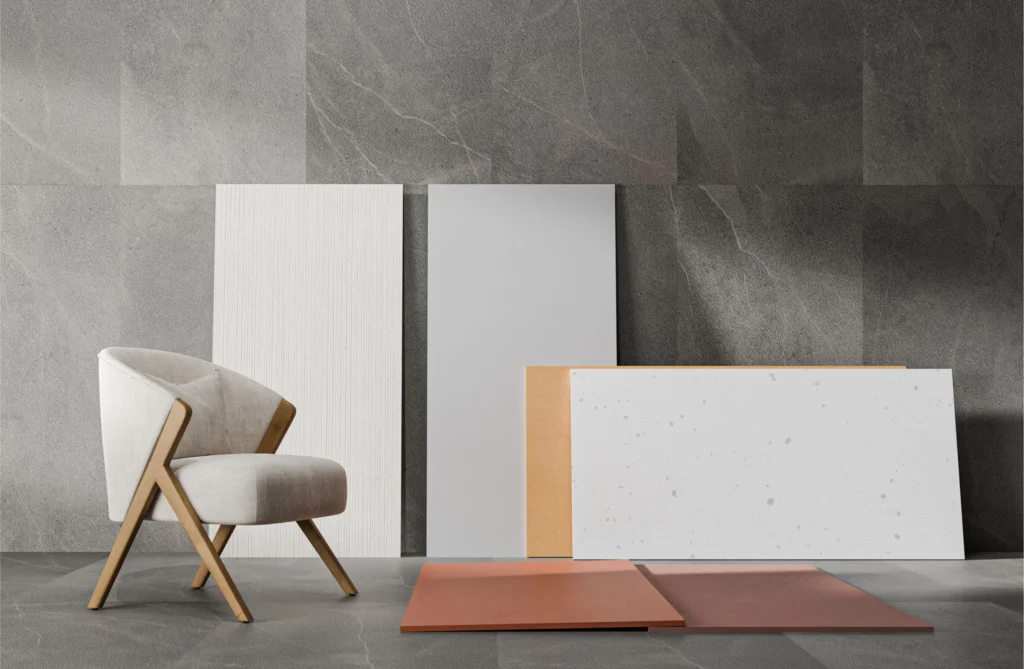
Vitrified tiles have become one of the most trusted flooring choices for modern homes, especially for people who want premium aesthetics paired with long-lasting performance. Whether you’re designing a new space or renovating an older one, understanding what vitrified tiles are—and how they differ from ordinary ceramic tiles—will help you make an informed decision.
What Exactly Are Vitrified Tiles?
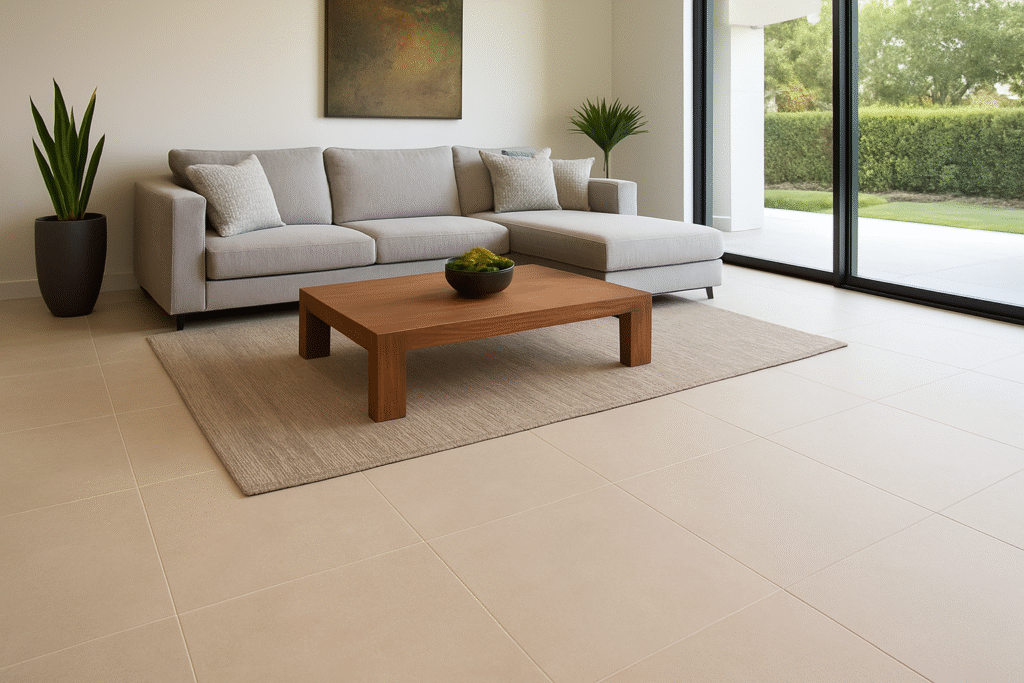
Vitrified tiles are advanced ceramic tiles where silica, clay, quartz, and feldspar are heated at extremely high temperatures until they fuse into a glass-like structure. This process, known as vitrification, creates a dense, non-porous tile that resists stains, scratches, and moisture far better than regular ceramic tiles.
If you’d like to explore vitrified designs in person, you can start with the curated collections on the Deceramica homepage or browse their dedicated tile categories for inspiration.
How Vitrified Tiles Are Made
The manufacturing process involves mixing refined minerals, pressing them under high pressure, and firing them above 1,200°C. This transforms the tile into a compact, durable slab with exceptionally low water absorption.
Industry bodies like the Tile Council of North America often highlight vitrification as one of the most reliable methods for producing strong, dimensionally stable tiles. This is why vitrified tiles remain a top choice for both residential and commercial flooring.
Types of Vitrified Tiles
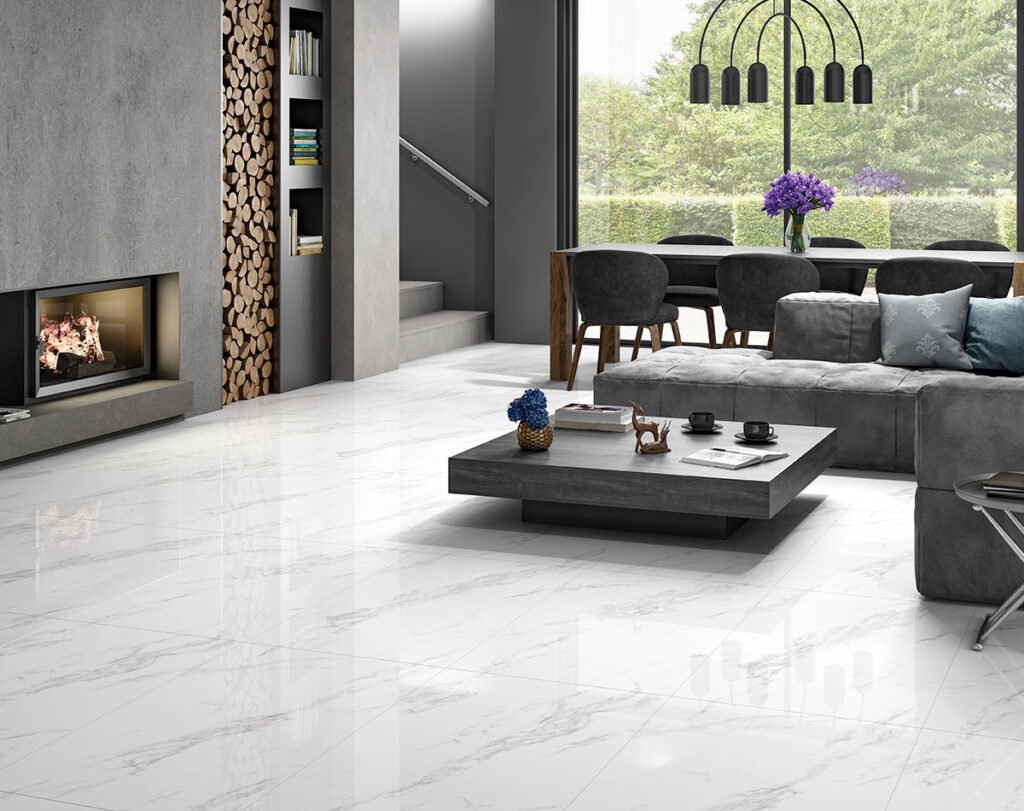
Vitrified tiles come in multiple variants, each designed for different kinds of spaces and design preferences.
1. Full Body Vitrified Tiles
These tiles have consistent colour and pattern throughout the entire body. Even if they chip slightly over time, the damage is barely visible. Full-body tiles are ideal for high-traffic areas such as hallways, commercial lobbies, and large living spaces.
2. Double Charge Vitrified Tiles
Double-charge tiles feature a thick layer of pigments added during manufacturing. Their design penetrates deeper into the tile surface, which gives them a longer lifespan. These are perfect for homes that want long-term flooring without frequent replacement.
3. Glazed Vitrified Tiles (GVT)
GVT tiles have a glazed surface that supports digital printing. This is where design innovation comes in—marble textures, sandstone looks, metallic effects, terrazzo, and even hand-crafted artistic visuals. Publications like DesignBoom showcase several global trends that align beautifully with these kinds of finishes.
4. Polished Glazed Vitrified Tiles (PGVT)
PGVT tiles carry a glossy, mirror-like surface. They instantly uplift luxurious interior spaces such as living rooms, hotel suites, boutiques, and modern office receptions.
If you’re comparing vitrified tiles with traditional ceramic tiles, Deceramica has a helpful breakdown here: Ceramic vs Vitrified Tiles.
Key Benefits of Vitrified Tiles
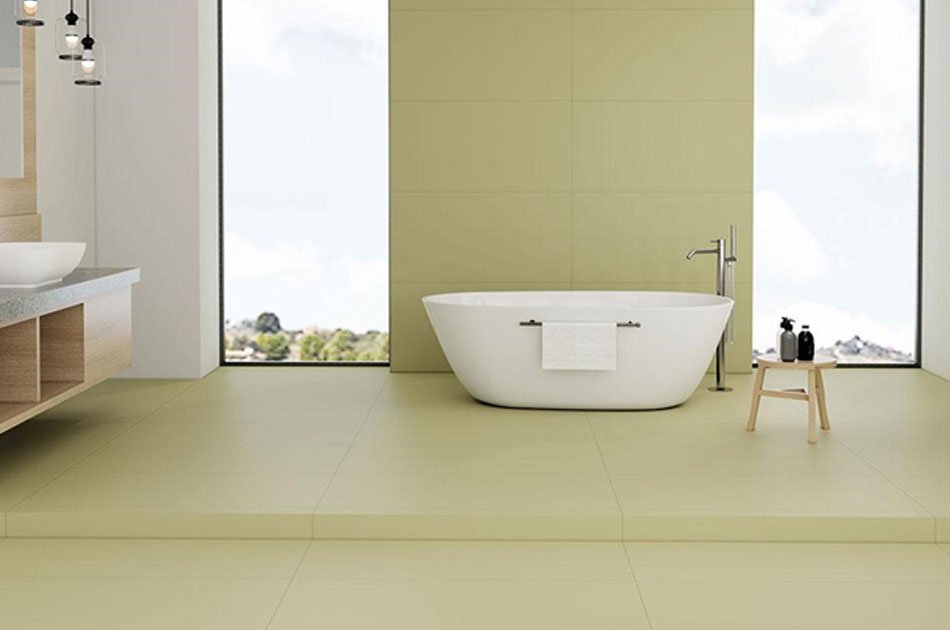
Extremely Durable
The dense, fused structure makes vitrified tiles far more durable than many other flooring materials. They withstand pressure, daily footfall, and environmental changes without losing colour or shine.
Very Low Porosity
A major advantage is moisture resistance. Because vitrified tiles absorb minimal water, they stay intact in kitchens, balconies, utility areas, and semi-outdoor spaces.
Global research published by Ceramic World Review consistently ranks vitrified tiles among the most dimensionally stable and water-resistant flooring materials in the tile industry.
Minimal Maintenance
A simple mop and mild cleaner are all you need. The surface doesn’t trap stains easily, which makes it an ideal choice for busy families.
Wide Variety of Designs
From matte industrial textures to glossy luxury finishes, and from natural stone looks to modern patterns, vitrified tiles offer limitless design options. You can explore some of these styles in the tiles category section.
Suitable for Indoor & Outdoor Spaces
Because of their strength and weather resistance, vitrified tiles perform well both indoors and outdoors—living rooms, bedrooms, terraces, balconies, office corridors, patios, and walkways.
Where Can You Install Vitrified Tiles?
One of the biggest strengths of vitrified tiles is their adaptability. They work beautifully across:
- Living rooms and entrance foyers
- Bedrooms
- Kitchens and dining areas
- Commercial spaces
- Terraces and balconies
- Retail stores and showrooms
- Hallways and common areas
If you’re planning a larger project or renovation, you can always reach out to the team via the Deceramica contact page for guidance and product recommendations.
Are Vitrified Tiles Worth Choosing?
Absolutely. They offer durability, low maintenance, a premium look, and endless design possibilities. Whether you love contemporary interiors, minimalist styles, or earthy textures, vitrified tiles can seamlessly blend into any aesthetic.
For anyone building a luxury home or upgrading flooring with long-term value in mind, vitrified tiles remain one of the most reliable and visually appealing choices available today.