
Call Us Let's Talk Let's Talk

Concealed Cistern Buying Guide for Modern Bathrooms (India 2026)

Why Concealed Cisterns Are Becoming the Standard for Modern Indian Bathrooms

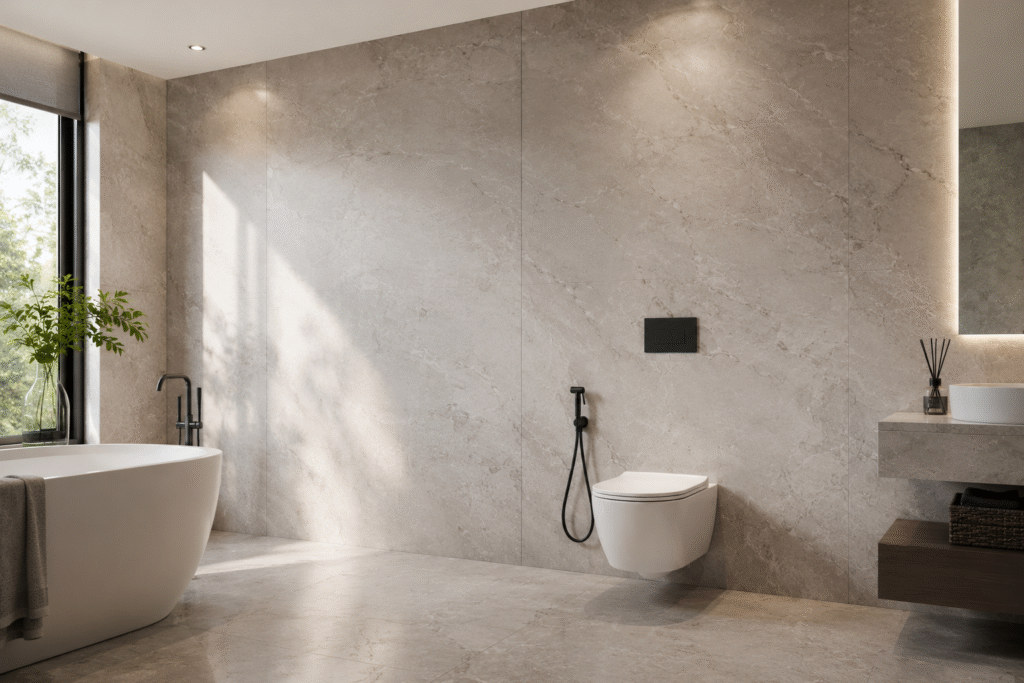
Walk into any newly renovated premium bathroom in India today, and there’s a good chance the toilet’s tank is nowhere to be seen. A concealed cistern India homeowners are increasingly choosing hides the flush tank inside the wall, leaving only a slim flush plate visible — a small change that makes a disproportionately large difference to how clean and modern a bathroom feels.

This guide covers what a concealed cistern actually is, why it’s becoming the standard choice in premium renovations, how it compares to a traditional exposed cistern, and what to check before installing one — so you can decide whether it’s right for your next bathroom project.

What is a concealed cistern, and why does it matter

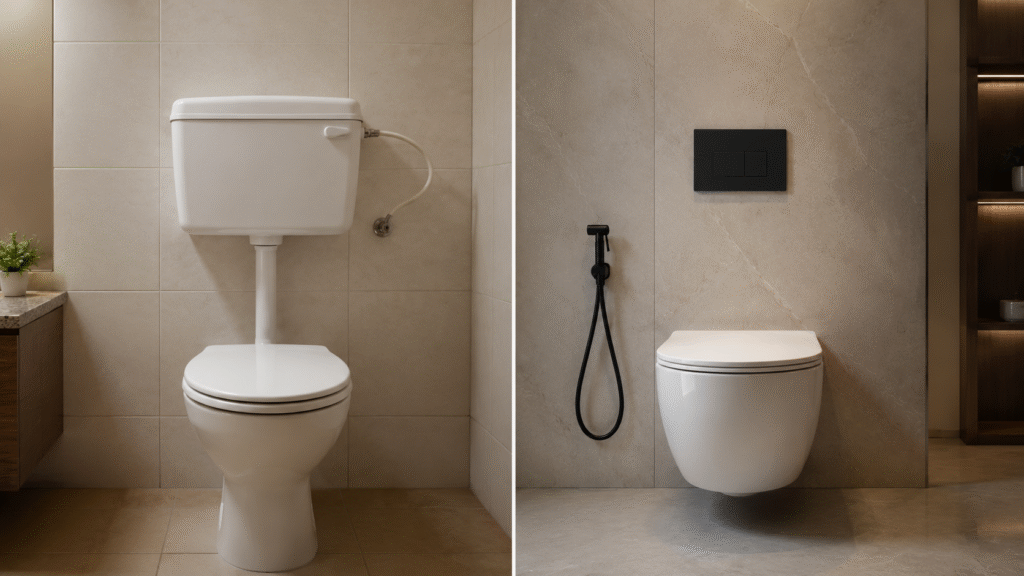
A traditional exposed cistern sits visibly behind or above the toilet, taking up wall space and adding a utilitarian, dated look to an otherwise well-designed bathroom. In smaller Indian bathrooms especially, that visible tank can make the whole space feel more cramped than it needs to.

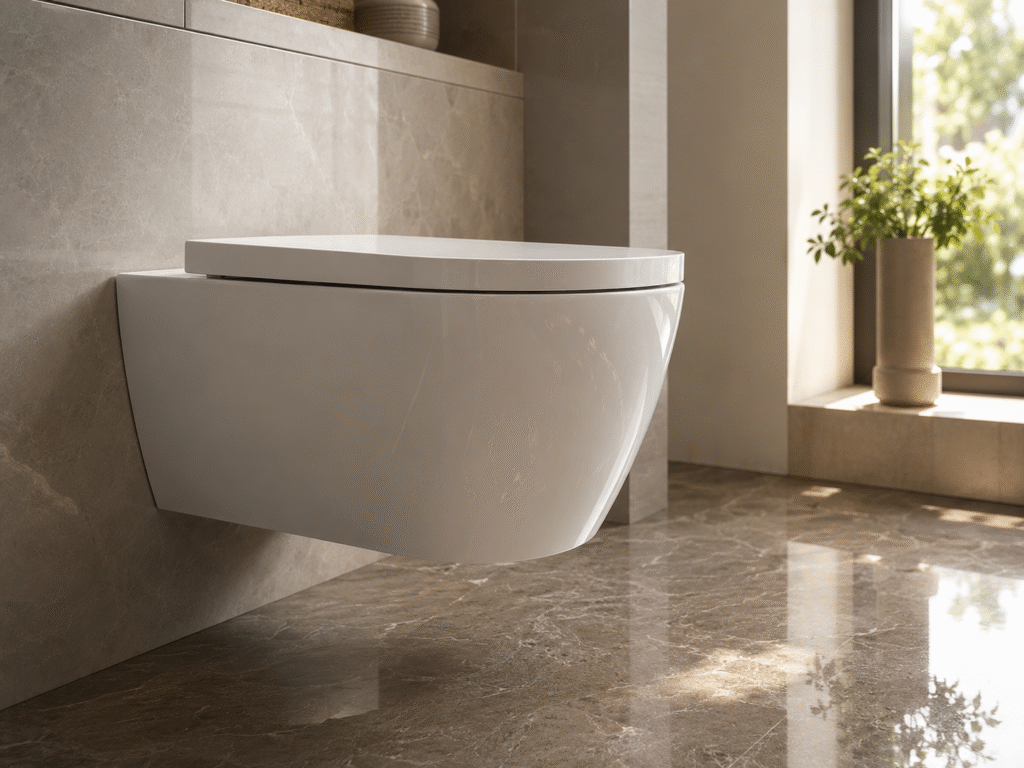
A concealed cistern is installed inside a false wall or wall cavity, connected to a slim flush plate on the surface — usually dual-flush, offering separate controls for a full or partial flush to save water. The tank itself disappears entirely, leaving a clean, minimal wall with just the toilet and flush plate visible. This is why concealed cisterns have become close to standard in premium Indian bathroom renovations over the past few years, particularly in Gurgaon and Delhi NCR’s newer luxury developments.

Why concealed cisterns are becoming standard in premium renovations

Beyond the visual upgrade, concealed cisterns offer a few practical advantages that explain their growing popularity. They free up floor and wall space in smaller bathrooms, since there’s no tank protruding into the room. Many modern concealed systems also use dual-flush technology as standard, helping reduce water usage compared to older single-flush exposed tanks — a genuine consideration given water costs and availability in many Indian cities.

There’s also a design consistency argument: in a bathroom built around large-format tiles and a considered material palette, an exposed plastic cistern tank can undercut the whole effect. Concealing it lets the wall read as a continuous, finished surface.

Why concealed cisterns are becoming standard in premium renovations

Concealed vs exposed cisterns systems compared

Concealed Cistern Exposed Cistern
Visual appeal Hidden in the wall — clean, minimal look Visible tank, more utilitarian appearance
Space usage Frees up floor and wall space in smaller bathrooms Takes up visible wall space
Maintenance access Requires an access panel; less frequent servicing needed on modern models Fully exposed, easier day-to-day access
Installation Needs a false wall or wall recess — best planned during renovation Simpler retrofit, no wall modification needed
Typical cost (India 2026) ₹15,000 – ₹60,000+ (cistern + frame + wall work) ₹3,000 – ₹12,000

Costs are indicative for 2026 and vary by brand, frame size, and the extent of wall work required. Always get a site-specific quote before finalising your budget.

Installation basics what a concealed cistern actually requires

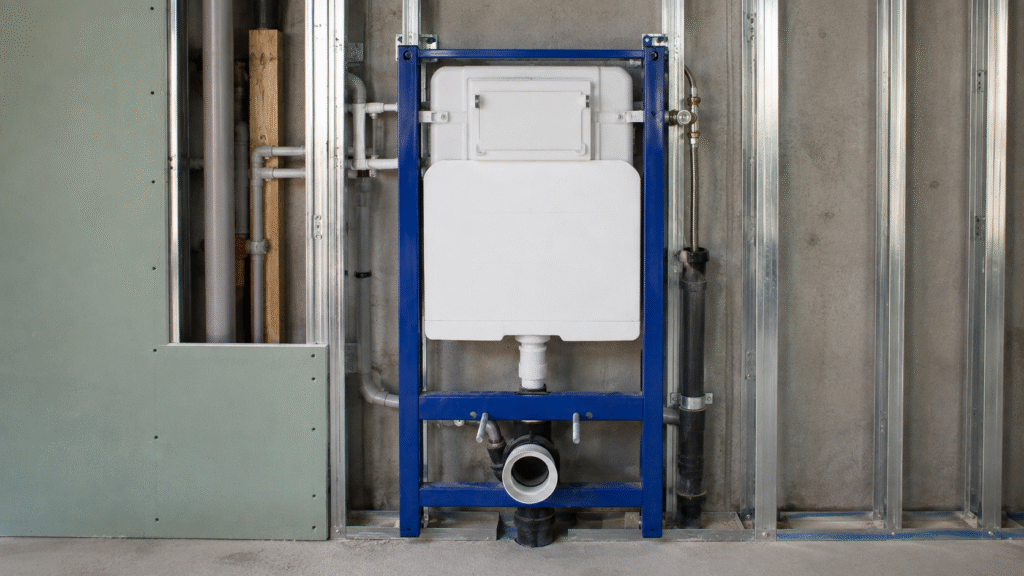
Unlike an exposed cistern, a concealed system needs a false wall or wall recess built specifically to house the frame and tank — this is why it’s far easier and cheaper to plan during a renovation or new construction than to retrofit into a finished bathroom. The frame is typically fixed to the structural wall or floor, with the cistern and plumbing connections built into the cavity before the front wall is tiled over.

Concealed cistern systems are sold as a frame-and-cistern unit, with the flush plate purchased separately or as part of a kit. Frame height and depth need to match your specific wall build-up, so this is worth confirming with a supplier or plumber early — retrofitting a mismatched frame after the wall is built is a costly mistake to avoid.

Geberit is the most established name in concealed cistern systems in India, known for reliable flush mechanisms and long-term durability — a meaningful consideration given how much harder concealed systems are to access for repairs compared to exposed tanks. Choosing a well-supported brand with reliable local parts availability matters more here than it does with a simple exposed cistern.

Maintenance and long-term considerations

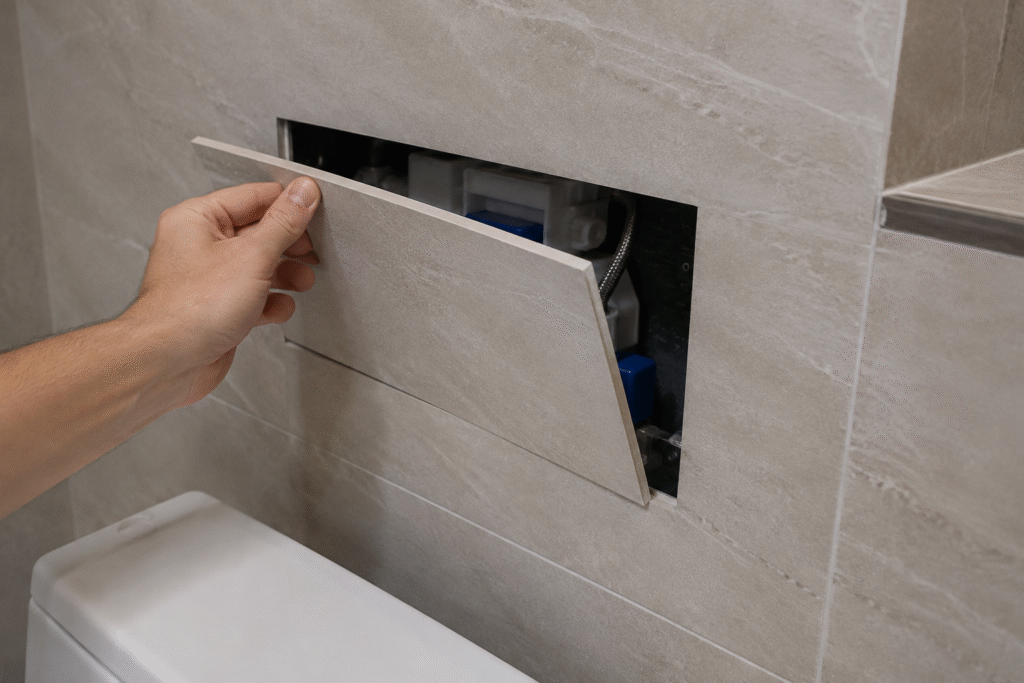
Because the tank sits behind the wall, a concealed cistern relies on an access panel — usually positioned behind the toilet or through the flush plate itself — for any servicing. Most modern systems are built to need minimal maintenance for years, but it’s worth confirming access panel placement with your contractor during installation, since retrofitting one afterward means breaking into finished tile work.

It’s also worth choosing a cistern brand and flush plate finish that matches your bathroom’s other fittings — matte black, chrome, or brushed brass flush plates are now available to coordinate with faucets and other hardware, rather than being limited to a plain white or chrome plate.

Maintenance and long-term considerations

Is a concealed cistern right for your bathroom?

Not every bathroom needs one, and the decision usually comes down to three factors: your budget, your timeline, and the scale of the project you’re already undertaking.

If you’re doing a full bathroom renovation — new tiles, new fittings, possibly moving plumbing lines — a concealed cistern is almost always worth the additional cost. You’re already opening up the walls, so the incremental work to build the cavity is minor compared to starting from scratch later. The same logic applies to new-build homes and villas, where the wall structure can be planned around the cistern frame from day one.

On the other hand, if you’re simply replacing a failing toilet or doing a quick refresh without touching the walls, an exposed cistern remains the more practical choice — it’s faster to install, considerably cheaper, and doesn’t require any structural changes to your bathroom.

A useful rule of thumb: if your renovation already involves breaking into the wall for any reason — replumbing, retiling, or moving the toilet’s position — that’s the moment to seriously consider going concealed, since the marginal cost of doing so drops sharply once the wall is already open.

So where should you begin?

Start by deciding whether your bathroom renovation is already opening up the walls, since that single factor determines whether a concealed cistern makes financial sense right now. If you’re already retiling, replumbing, or repositioning fixtures, the marginal cost of building a wall cavity for a concealed system is small — and it’s the ideal moment to make the switch. If you’re only replacing a failing toilet without touching the walls, an exposed cistern remains the more practical, budget-friendly choice.

If you’re deciding between brands and finishes, consider what else is in the room: a Geberit concealed system with a flush plate that matches your faucet finish will feel far more considered than choosing the cistern and hardware in isolation. Plan the flush plate finish and frame size alongside your tile and fitting choices, not as an afterthought once the wall work is already done.

See it all at De Ceramica, Gurgaon

Choosing the right concealed cistern isn’t just about the tank — it’s about how the frame, flush plate, and wall work fit into your bathroom’s overall design. At De Ceramica’s showroom, our team can walk you through Geberit’s concealed cistern range alongside the wider bathroom fittings, tiles, and sanitaryware needed to plan a complete renovation.

With more than 21 years in the industry, we help homeowners, architects, and interior designers plan installations like this properly from the start — coordinating wall work, plumbing, and finishes so the result is both functional and visually seamless.

Visit us at A-511, Sushant Lok Phase 1, opposite IFFCO Chowk Metro Station, Gurugram, or book a free design consultation and we’ll help you plan tiling for your villa from foyer to poolside.

Frequently asked questions

Q.1  Is a concealed cistern more expensive than an exposed one?

Yes, generally. A concealed cistern costs more upfront due to the frame, cistern unit, and wall construction work involved, typically ranging from ₹15,000 to ₹60,000 or more depending on brand and scope, compared to ₹3,000–₹12,000 for a simple exposed cistern. The additional cost reflects both the hardware and the wall modification required.

Q.2 Can a concealed cistern be added to an existing bathroom?

It’s possible but involves building a false wall or wall recess, which usually means some retiling and disruption to the existing space. It’s significantly more straightforward and cost-effective to plan a concealed cistern during a full bathroom renovation rather than retrofitting it into a finished bathroom.

Q.3 How do you access a concealed cistern for repairs?

Through a dedicated access panel, usually positioned behind the toilet or accessible via the flush plate mechanism itself. This should be planned and confirmed with your contractor during installation, since most concealed systems are designed for infrequent servicing but still need a way in when required.

How can we help you?