
Call Us Let's Talk Let's Talk

Wellness Bathroom Ideas: Steam, Sauna and Spa at Home

Wellness bathroom ideas steam, sauna and spa at home

The bathroom has quietly become the most ambitious wellness space in premium Indian homes — no longer just a functional room, but a place designed around recovery, calm, and daily ritual. Steam, sauna, and spa-style bathtubs are the three features driving this shift, and each brings something different to a home wellness setup. This guide covers what each actually involves and how to think about combining them into a cohesive wellness bathroom

Why wellness bathrooms are having a moment in India

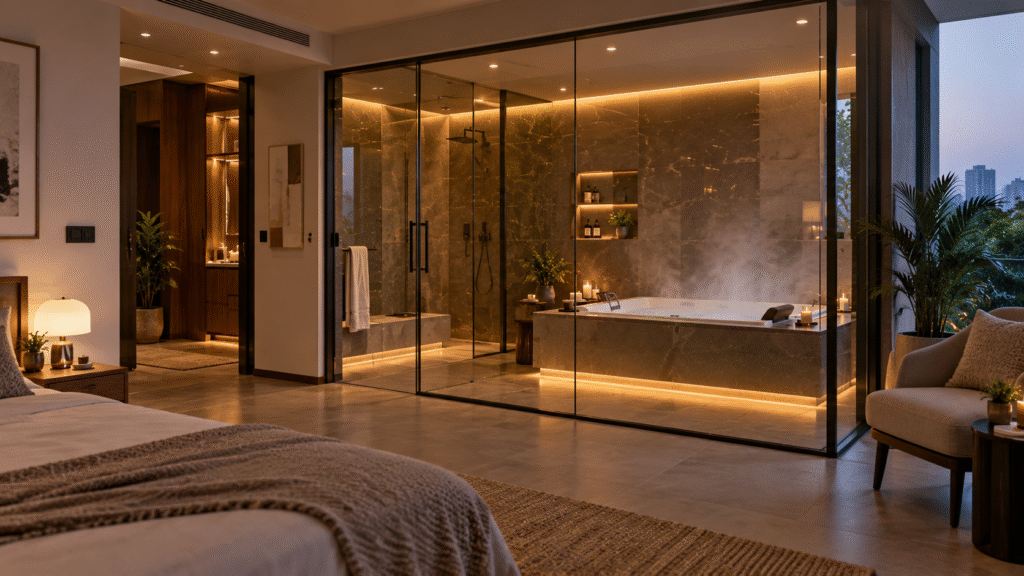
Modern Indian home interior with a glass-enclosed bathroom wellness corner, warm ambient lighting, soft steam, natural stone finishes, minimalist decor, and a serene luxury spa-inspired atmosphere.

A few things are converging to make this trend real rather than aspirational. Post-pandemic home design put far more emphasis on spaces that support physical and mental recovery without leaving the house. Premium villa and apartment developments increasingly include wellness rooms as a standard offering rather than a rare custom addition. And the technology itself — steam generators, sauna cabins, and spa bathtubs — has become considerably more compact and accessible than the commercial-grade equipment of a decade ago.

Modern Indian home interior with a glass-enclosed bathroom wellness corner, warm ambient lighting, soft steam, natural stone finishes, minimalist decor, and a serene luxury spa-inspired atmosphere.

Designing a wellness bathroom that actually works day to day

The most successful home wellness bathrooms aren’t the most elaborate — they’re the ones designed around how the space will actually be used. A steam shower used daily after workouts needs efficient ventilation and quick-drying surfaces more than elaborate styling. A sauna intended for occasional weekend use can prioritise atmosphere and material warmth over daily practicality. Being honest about actual usage patterns before designing prevents an expensive feature from becoming an unused one.

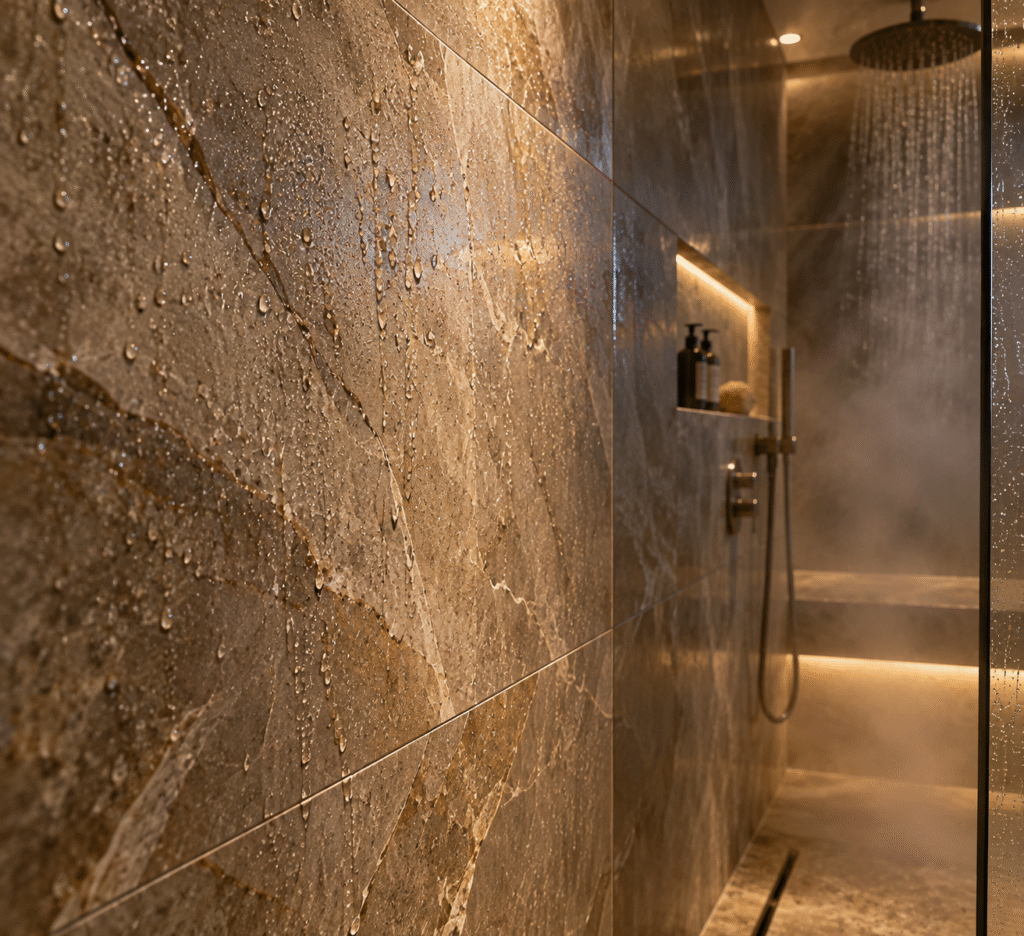
  • Large-format porcelain or natural stone tiles handle steam and humidity better than porous alternatives, and matter more here than in a standard bathroom.
  • Warm lighting — dimmable, low colour temperature — does more to create a genuine spa atmosphere than any single fixture.
  • Ventilation is non-negotiable for steam rooms specifically; skipping proper extraction leads to mould and material damage over time.
  • Sauna cabins benefit from being positioned away from bedrooms, since the heat-up period and post-session cool-down can affect adjacent room temperatures.

Designing a wellness bathroom that actually works day to day

Steam, sauna, and spa bathtub what each actually offers

Feature Space Needed Indicative Cost (India 2026)
Steam generator Existing shower enclosure, sealed ₹60,000 – ₹2,00,000+
Sauna room Dedicated 4–8 sq ft cabin ₹2,00,000 – ₹6,00,000+
Spa / jacuzzi bathtub Standard to large bathroom footprint ₹1,00,000 – ₹4,00,000+

Costs are indicative for 2026 and vary by brand, size, and installation complexity. A qualified installer should always assess your specific space before finalising a system choice.

Combining wellness features without overcomplicating the space

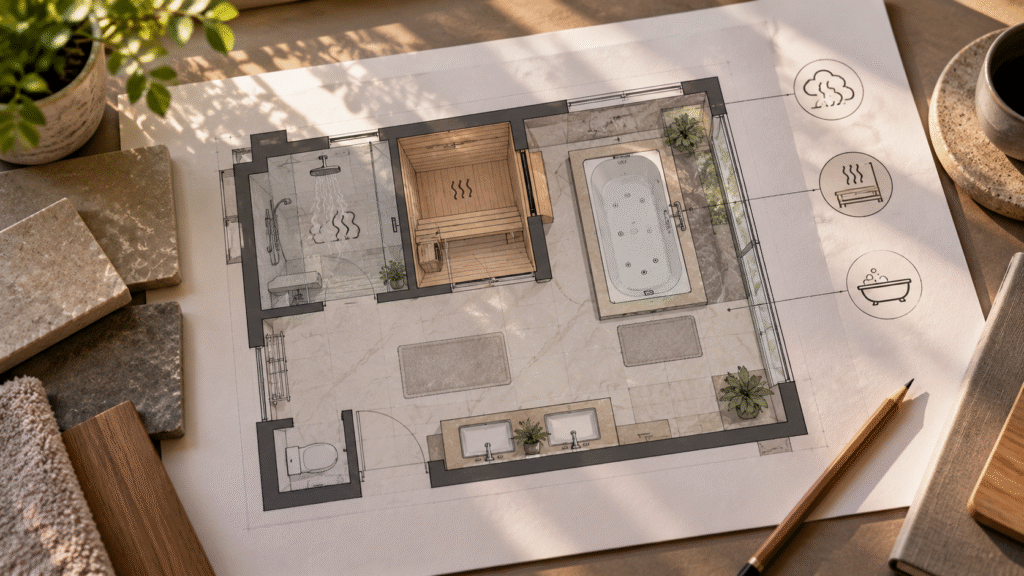
Bathroom floor plan sketch with steam shower, sauna, and bathtub icons, surrounded by material samples and a pencil on a designer’s workspace, illuminated by soft natural window light.

Not every home wellness bathroom needs all three features. Steam and a spa bathtub pair naturally in a single well-planned bathroom, since both work within a standard bathroom footprint. A dedicated sauna is more often a separate room adjacent to the bathroom or gym area, given its space and ventilation requirements. Rather than trying to fit everything into one room, consider which single feature would actually get used most, and build outward from there.

Bathroom floor plan sketch with steam shower, sauna, and bathtub icons, surrounded by material samples and a pencil on a designer’s workspace, illuminated by soft natural window light.

Choosing surfaces that survive daily heat and moisture

Wellness features live or die by the materials around them, not just the equipment itself. A stunning steam room or sauna cabin built with the wrong surfaces will show water damage, mould, or warping within a year or two, regardless of how good the steam generator or heater is.

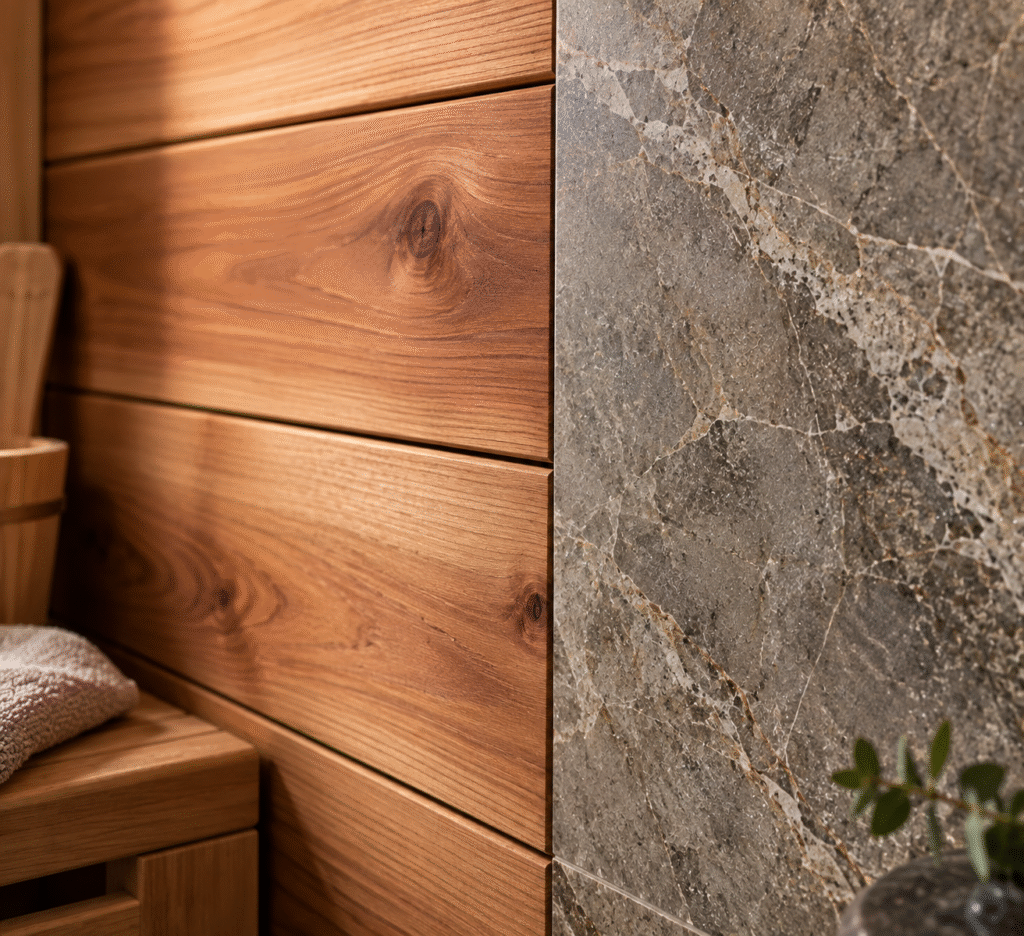
For steam environments, non-porous large-format porcelain or dense natural stone with proper sealing are the only realistic choices — anything more porous will absorb moisture over repeated sessions and eventually develop staining or microbial growth. Sauna cabins traditionally use specific wood species like cedar or hemlock, chosen for their natural resistance to warping under repeated heat and humidity cycles rather than for appearance alone — substituting a decorative wood not rated for sauna use is a common and costly mistake. Around a spa bathtub, the surrounding floor and wall tile should prioritise slip resistance as much as aesthetics, since these areas see frequent water splashing during use.

Choosing surfaces that survive daily heat and moisture

Close-up of cedar wood sauna paneling beside a natural stone tile sample, highlighting contrasting wood grain and stone texture under soft directional lighting.

Planning timeline and professional installation

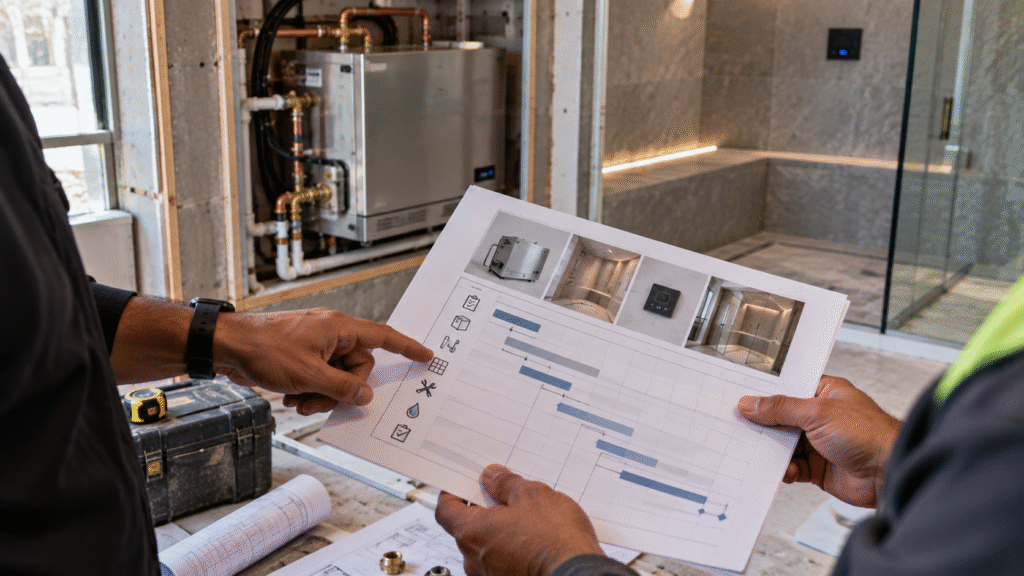
Close-up of workers reviewing a steam shower installation timeline with a steam generator unit, exposed piping, tools, and unfinished bathroom construction visible in the background.

Wellness features are not a weekend DIY addition, and planning realistically for installation time prevents disappointment later. A steam generator retrofit into an existing shower typically takes one to two weeks including waterproofing checks and electrical work, while a dedicated sauna cabin — given its structural, electrical, and ventilation requirements — can take four to six weeks from order to completion.

Working with an installer experienced specifically in wellness features matters more here than in standard bathroom renovation, since incorrect ventilation, waterproofing, or electrical work can create genuine safety issues rather than just cosmetic problems. Ask any installer for references from previous steam, sauna, or spa installations specifically, not just general bathroom renovation experience, before committing to a project timeline and budget.

Close-up of workers reviewing a steam shower installation timeline with a steam generator unit, exposed piping, tools, and unfinished bathroom construction visible in the background.

So where should you begin?

Start by being honest about which experience you’d actually use — humid steam heat, dry sauna warmth, or hydrotherapy soaking — rather than trying to fit all three into one project from the start. The feature you’d genuinely use every week beats the one that looks most impressive but sits unused after the first few months.

If you’re working within an existing bathroom’s footprint, steam or a spa bathtub are the more realistic starting points, since both can be added without the structural and ventilation demands of a dedicated sauna cabin. A sauna is worth planning only once you’ve confirmed you have the space and are committed to the larger investment it requires.

See it all at De Ceramica, Gurgaon

A wellness bathroom depends on getting the surfaces right as much as the equipment — tile choice, waterproofing, and finish all directly affect how well a steam or spa feature performs over time. At De Ceramica’s showroom, our team can help you select tiles and surfaces suited specifically to steam and spa environments, alongside the wider bathroom fittings needed for a complete wellness space.

With more than 21 years in the industry, we work closely with homeowners and architects to plan wellness bathrooms around real usage patterns — not just the most photogenic option — so the finished space gets used, not just admired.

Visit us at A-511, Sushant Lok Phase 1, opposite IFFCO Chowk Metro Station, Gurugram, or book a free design consultation and we’ll help you plan tiling for your villa from foyer to poolside.

Frequently asked questions

Q.1 Do I need a dedicated room for a steam shower, or can it use my existing bathroom?

A steam shower can typically be added to an existing sealed shower enclosure, making it the most accessible wellness feature to retrofit into a current bathroom without major structural changes. A sauna, by contrast, generally needs a dedicated cabin space.

Q.2 Which wellness feature offers the best value for a first home wellness upgrade?

A steam generator or spa bathtub typically offers the best entry point, since both can work within an existing bathroom footprint and cost less than a dedicated sauna installation. Choose based on which experience — humid heat or hydrotherapy soaking — you’d actually use more often.

Q.3 What tile types work best for steam and sauna environments?

Large-format porcelain and dense natural stone handle humidity and temperature exposure best, resisting moisture absorption and staining better than more porous tile options. Proper waterproofing beneath the tile matters just as much as the tile choice itself in these high-moisture environments.

How can we help you?