


Call Us Let's Talk Let's Talk

uPVC vs Aluminium Windows: Which Is Better for Indian Homes

uPVC vs aluminium windows which is better for homes

uPVC and aluminium dominate the premium window market in India, and both are genuine upgrades over traditional wood or steel frames. But they perform differently on insulation, strength, and cost — and the right choice depends more on your specific rooms and climate exposure than on which material is generally considered better. This guide compares them directly so you can choose with your actual home in mind.

Why uPVC wins on insulation and sound

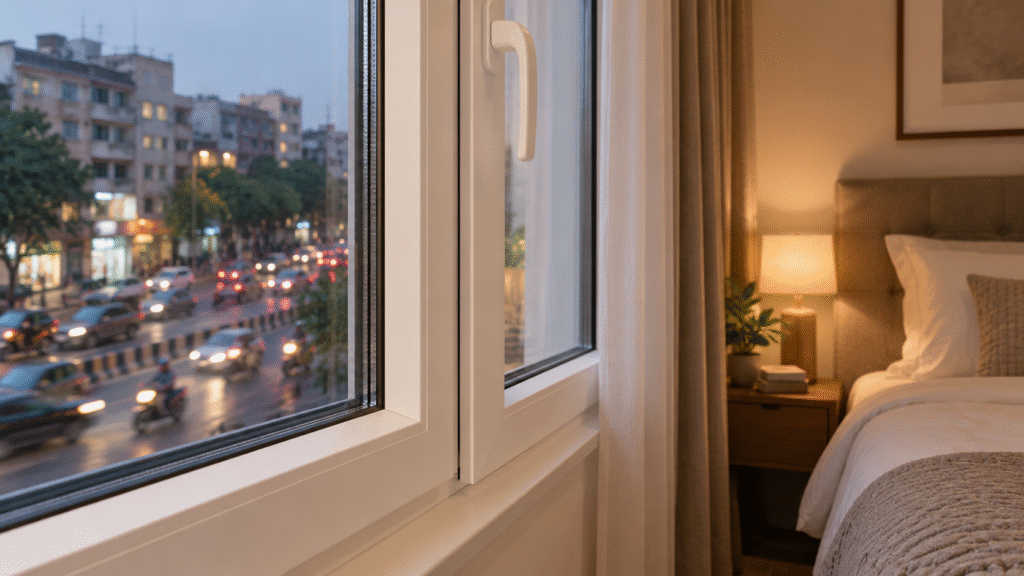
White uPVC window frame in a warm bedroom, with a blurred busy city street outside, highlighting sound and thermal insulation.

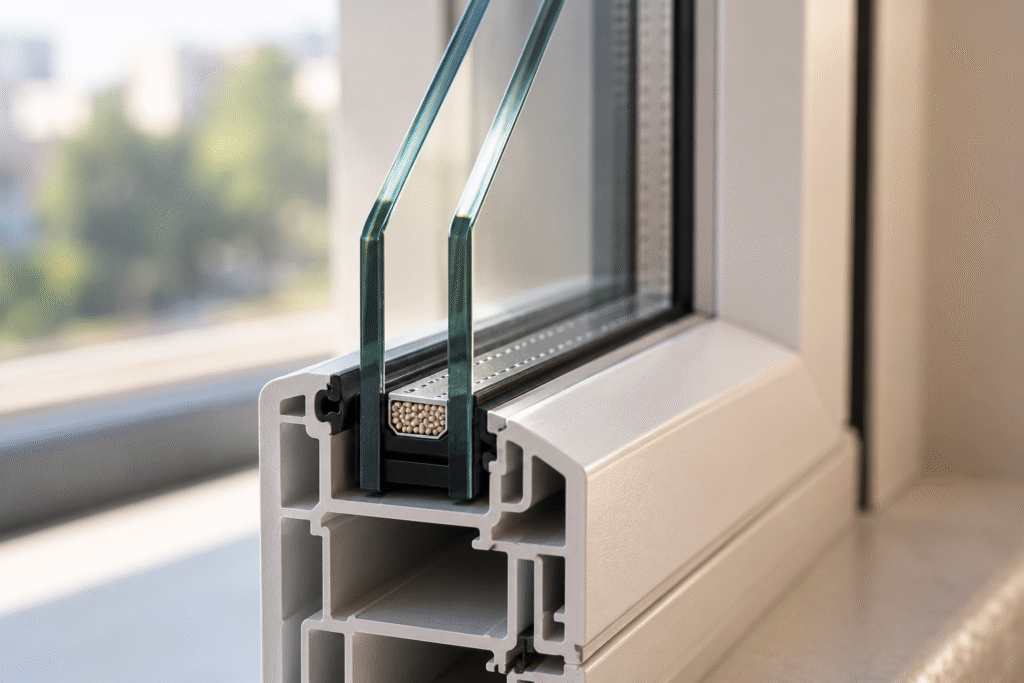
uPVC’s core strength is thermal and acoustic performance — the material itself is a poor conductor of heat, and multi-chamber profile designs trap air pockets that further reduce heat transfer and sound transmission. This makes uPVC a strong default choice for bedrooms, homes near busy roads, and rooms facing direct summer sun, where keeping heat and noise out matters more than anything else.

White uPVC window frame in a warm bedroom, with a blurred busy city street outside, highlighting sound and thermal insulation.

Why aluminium wins on strength and design flexibility

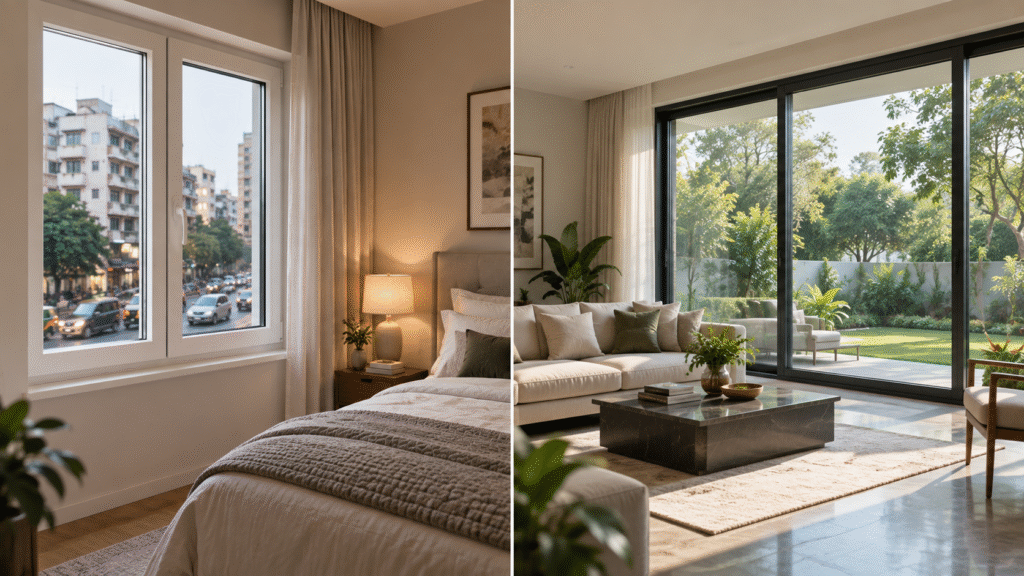
Aluminium’s structural strength allows for slimmer frames and larger uninterrupted glass panels than uPVC can typically achieve at the same size — a genuine advantage for large windows, sliding doors, and floor-to-ceiling glazing where the frame-to-glass ratio matters visually. Aluminium’s inherent thermal conductivity is a real weakness, but thermally broken aluminium profiles — which insert an insulating barrier within the frame — close much of that gap, at a higher cost.

Why aluminium wins on strength and design flexibility

White uPVC window frame in a warm bedroom, with a blurred busy city street outside, highlighting sound and thermal insulation.

uPVC vs aluminium a direct comparison

uPVC Windows Aluminium Windows
Thermal insulation Excellent — low heat transfer Fair — conducts heat unless thermally broken
Sound insulation Excellent, especially multi-chamber profiles Good, varies by profile and glazing
Frame strength Good for standard to large openings Excellent — slimmer frames, larger glass areas
Maintenance Very low — won't rust, rarely needs repainting Low, though powder coating can fade over years
Cost (India 2026) ₹450 – ₹900 per sq ft ₹400 – ₹1,200+ per sq ft

Prices are indicative for 2026 and vary by profile system, glazing type, and window size. Installation is typically quoted separately.

Choosing by room and orientation not just material preference

  • Bedrooms and rooms facing busy roads: uPVC’s superior acoustic insulation makes a genuinely noticeable difference to daily comfort.
  • Large living room windows or sliding doors: aluminium’s slim frames and structural strength suit expansive glazing better.
  • West-facing rooms with strong afternoon sun: uPVC’s insulation helps more with heat management, though pairing either material with proper glazing (double-glazed or low-E glass) matters as much as the frame material itself.
  • Balconies and exterior-facing openings exposed to monsoon rain: both materials handle moisture well, but aluminium’s strength suits larger sliding configurations common in balcony designs.

Cost, maintenance and what actually affects long-term value

uPVC and aluminium sit in a similar price range in India, with the final cost depending far more on profile brand, glazing choice, and window size than on which base material you choose. Both require minimal maintenance compared to older wood or plain steel frames — uPVC won’t rust or need repainting, while aluminium’s powder-coated finish is durable but can fade slightly over many years of direct sun exposure. Neither material is the wrong choice broadly; the better question is which specific windows in your home benefit most from each material’s particular strengths.

Cost, maintenance and what actually affects long-term value

Flat-lay of a window installation comparison sheet with white uPVC and dark aluminium frame samples, calculator, pen, and material swatches on a sunlit wooden desk.

Glazing matters as much as the frame material

Frame material gets most of the attention in this comparison, but the glass itself often has just as much impact on a window’s real-world performance — regardless of whether you choose uPVC or aluminium.

Single glazing, still common in older Indian homes, offers minimal insulation against heat or sound no matter how good the frame is. Double glazing — two panes of glass with a sealed air or gas gap between them — significantly improves both thermal and acoustic performance, and is increasingly standard in premium window installations across Delhi NCR. Low-E (low-emissivity) glass coatings go a step further, reflecting radiant heat while still allowing visible light through, which matters considerably for west-facing rooms dealing with intense afternoon sun.

The practical takeaway: a premium aluminium frame with basic single glazing can underperform a mid-range uPVC frame paired with double glazing. When comparing quotes, always ask specifically what glazing is included — the frame material alone doesn’t tell the full performance story.

So where should you begin?

Start room by room rather than choosing one material for the whole house — a bedroom facing a busy road and a living room with floor-to-ceiling glazing have genuinely different priorities, and forcing both into the same material means compromising on one of them. Walk through your home and note which rooms need noise reduction, which need large uninterrupted glass, and which deal with the harshest sun exposure.

Once you know the priority per room, treat glazing as part of the decision, not an afterthought — ask for the specific glazing type included in any quote, since a well-glazed uPVC window can outperform a poorly glazed aluminium one regardless of which frame material you ultimately choose.

See it all at De Ceramica, Gurgaon

Window performance is hard to judge from a brochure — frame rigidity, glazing quality, and how a profile actually feels are best evaluated in person. At De Ceramica’s showroom, our doors and windows range includes both uPVC and premium aluminium systems including Lingel, so you can compare profiles side by side for your specific project.

With more than 21 years in the industry, our team helps homeowners and architects choose window materials room by room, based on orientation, noise exposure, and design intent — not a single blanket choice across the whole home.

Visit us at A-511, Sushant Lok Phase 1, opposite IFFCO Chowk Metro Station, Gurugram, or book a free design consultation and we’ll help you plan tiling for your villa from foyer to poolside.

Frequently asked questions

Q.1 Is uPVC or aluminium better for sound insulation in Indian homes? 

uPVC generally offers better sound insulation, particularly with multi-chamber profile designs that trap air and reduce noise transmission. This makes it a strong choice for bedrooms or homes near busy roads where noise reduction is a priority.

Q.2 Which is more expensive, uPVC or aluminium windows?

Both sit in a similar price range in India — ₹450–₹900 per sq ft for uPVC versus ₹400–₹1,200+ per sq ft for aluminium, with aluminium’s upper range driven by thermally broken profiles and larger glazing systems. Final cost depends more on the specific profile and glazing choice than the base material.

Q.3 Can I use both uPVC and aluminium windows in the same home?

Yes, and it’s a practical approach — many homeowners choose uPVC for bedrooms and noise-sensitive rooms, then use aluminium for larger living room windows or sliding doors where slim frames and structural strength matter more than acoustic insulation.

How can we help you?